
Products Designed To Assist Caregivers and Celebrate The Work They Do - The Heros Without A Cape
Caregiver guides, newsletters and products
from Erika_Essie

You Didn’t Plan to Become a Caregiver. Now You Need a Plan.
Becoming a caregiver often happens overnight. A diagnosis. A fall. A hospital discharge. And suddenly everything changes.
This guide walks you step-by-step through what to do first, what to prioritize, and what mistakes to avoid. It eliminates confusion so you can make clear, confident decisions instead of reacting in crisis mode.
Inside you’ll learn:
How to organize care from the beginning
What legal, medical, and practical documents you need
How to communicate with doctors effectively
How to protect your time, energy, and finances
The early warning signs of caregiver burnout
This is not theory. It is practical guidance built for real caregivers balancing work, family and responsibility.
Best for: New caregivers or those who feel like they’re “figuring it out as they go”.
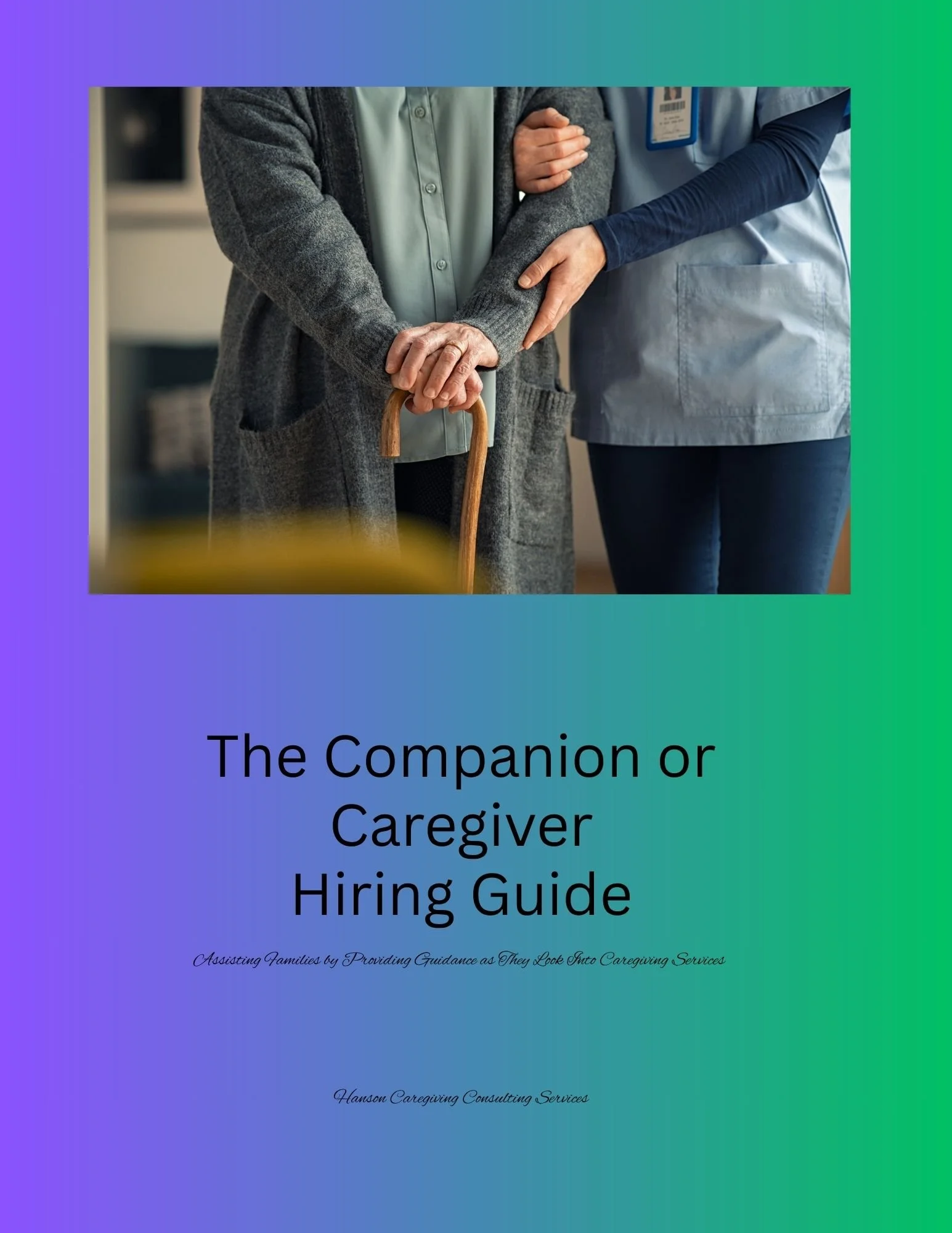
Hiring Help Shouldn’t Feel Like a Gamble.
Bringing someone into your home to care for your loved one is one of the most important decisions you will make. The wrong hire can cost you money, time, and peace of mind.
This guide gives you:
Interview questions that reveal red flags.
How to structure expectations and boundaries
When it’s time to replace a caregiver
Avoid expensive mistakes. Hire with confidence. Protect your loved one.

Helping Children Understand Caregiving - Without Overburdening Them.
Children often see more than we think. Whan a parent or grandparent becomes ill, they need guidance too.
This guide helps you:
Talk to children about illness in age-appropriate ways
Assign supportive, safe responsibilities
Protect their emotional well-being
Build empathy without creating stress.
Caregiving is a family journey. This guide ensures children feel supported, not overwhelmed.

When medical treatment stops, care still continues.
End-of-life conversation are uncomfortable - but avoiding them creates confusion, guilt, and conflict later.
This guide provides:
Language to begin difficult conversations
How to honor your loved one’s wishes.
Emotional preparation tools
What to expect medically and practically
How to support yourself during anticipatory grief.

Planning Ahead Reduces Emotional and Financial Stress Later
When a loss happens, emotions run high and decisions must be made quickly.
This guide walks with you through:
What decisions must be made immediately
Questions to ask funeral providers
Financial considerations
Documentation preparation
How to avoid family conflict
Clarity now prevents chaos later.

Because You Cannot Pour From an Empty Cup
This is your structured reset.
The Digital Relief Packet Includes:
Self-care planning tools
Burnout prevention strategies
Emotional regulation exercises
Time management frameworks
Boundaries and support templates
Designed specifically for working caregivers who feel stretched too thin.
This is not luxury self-care. This is sustainability.
Rest Is Not Abandonment. It Is Strategy.
Many caregivers delay respite until they are already exhausted.
This guide helps you:
Understand your respite options.
Compare costs realistically
Vet facilities properly
Overcome guilt associated with taking breaks
Create a sustainable care schedule
Strong caregivers build rest into the plan.

Prevent The Fall Before It Happens
Most caregivers’ crises start at home.
The 30-point checklist helps you:
Identifyfall hazards,
Improve bathroom safety,
Secure high-risk areas
Reduce emergency risks
Increase daily independence
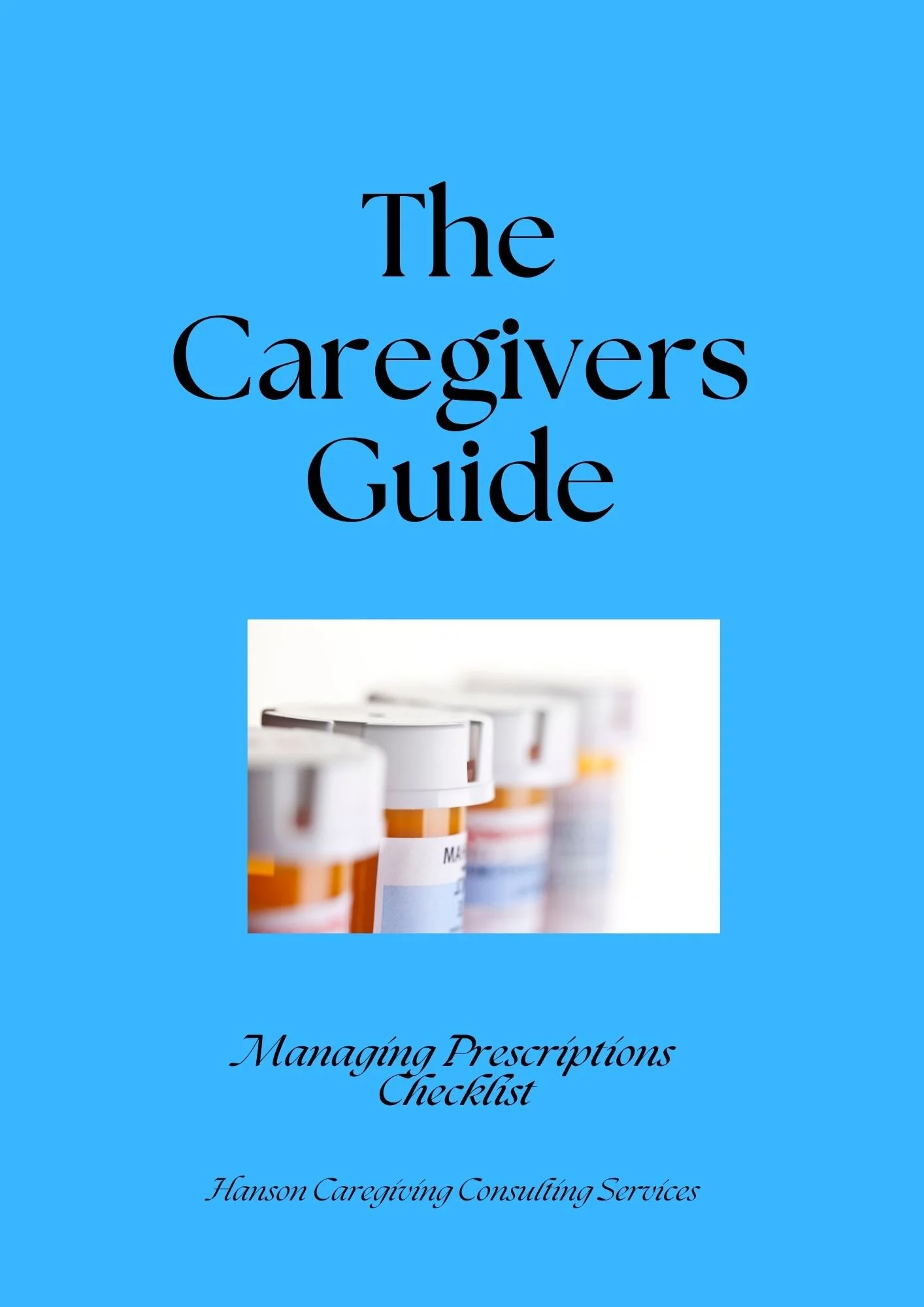
Medication Errors Are Common - and Preventable.
Managing prescriptions can become overwhelming quickly.
This checklist helps you:
Track medications accurately
Avoid dangerous interactions
Organize refills
Prepare for doctor visits
Maintain accurate medication logs
Clarity reduces risk.

Choosing a Facility Should Be Informed - Not Rushed.
When home care is no longer enough, the decision can feel heavy.
This guide helps you:
Evaluate facilities properly
Ask the right financial questions
Compare levels of care
Identify red flags
Advocate for your loved one after placement